
Follow a Thoroughbred from plan to racecourse
Select a stage to see the people, records and evidence around the horse. This is a process map, not a valuation model or performance forecast.
Breeder, stud manager, stallion farm and bloodstock adviser
Mating plans, nomination terms and the mare's reproductive record
The intended balance of speed, stamina, maturity and physical type
A sensible mating is a plan, not a guarantee of a sound or talented racehorse.
# What Is Bloodstock in Horse Racing?
Bloodstock is the collective name for Thoroughbred horses bred for racing and breeding, and for the business that surrounds their breeding, registration, sale and management. A foal in a Newmarket paddock, a yearling walking into a sales ring, a colt in training and a broodmare carrying next season's foal can all be described as bloodstock.
The word can sound like racing has placed the horse somewhere between a balance sheet and a filing cabinet. In practice, it covers something far more alive and complicated. Bloodstock is where generations of breeding decisions meet horsemanship, health, market judgement and, eventually, the blunt examination of a racecourse.
For a punter, the point is not to become an auction-room expert overnight. It is to understand where a horse has come from, which clues are genuinely useful and which bits of expensive-looking information can tempt us into seeing certainty where none exists.
Bloodstock can mean the horse or the whole business
The first source of confusion is that people use the same word in two closely related ways.
If an owner says, "We are selling some bloodstock", they mean the horses. If somebody works "in bloodstock", they probably mean the breeding and sales side of the racing industry. That can include planning matings, caring for mares and foals, preparing young horses for auction, checking pedigrees, inspecting horses for buyers and completing the registration and ownership records that allow the system to function.
It is not a separate sport hidden behind racing. It is the long road that produces the runners on a racecard. Most of that road is travelled before the public has ever seen the horse gallop.
Which horses count as bloodstock?
There is no single age or job that turns a horse into bloodstock. The term follows the Thoroughbred through different stages of life.
| Term | Plain-English meaning | Why the distinction matters |
|---|---|---|
| Foal | A young horse in its first year of life | Early health, development, identity and parentage records begin here |
| Weanling | A foal separated from its dam | Some are sold at this stage; all are still developing rapidly |
| Yearling | A horse in the calendar year after its birth year | A major commercial stage, often before training has properly begun |
| Store horse | A young National Hunt prospect sold before it has raced | Buyers are judging future physical and staying potential |
| Breeze-up horse | Usually a two-year-old offered after a short public gallop | Buyers can assess movement at speed, but the evidence remains limited |
| Horse in training | A horse already in a racing stable, whether raced or unraced | Its individual training and race evidence begins to outweigh family theory |
| Broodmare | A mare kept for breeding | Her own record, family and previous offspring help shape her value |
| Stallion | A male horse standing for breeding | His fee and reputation develop through his race record and the results of his offspring |
The labels are practical rather than decorative. They tell you where a horse sits in its life and what evidence is available. A yearling buyer is trying to make a decision before there is any race form. A punter assessing a five-year-old handicapper has much more direct information and should not let the name of a fashionable sire drown it out.
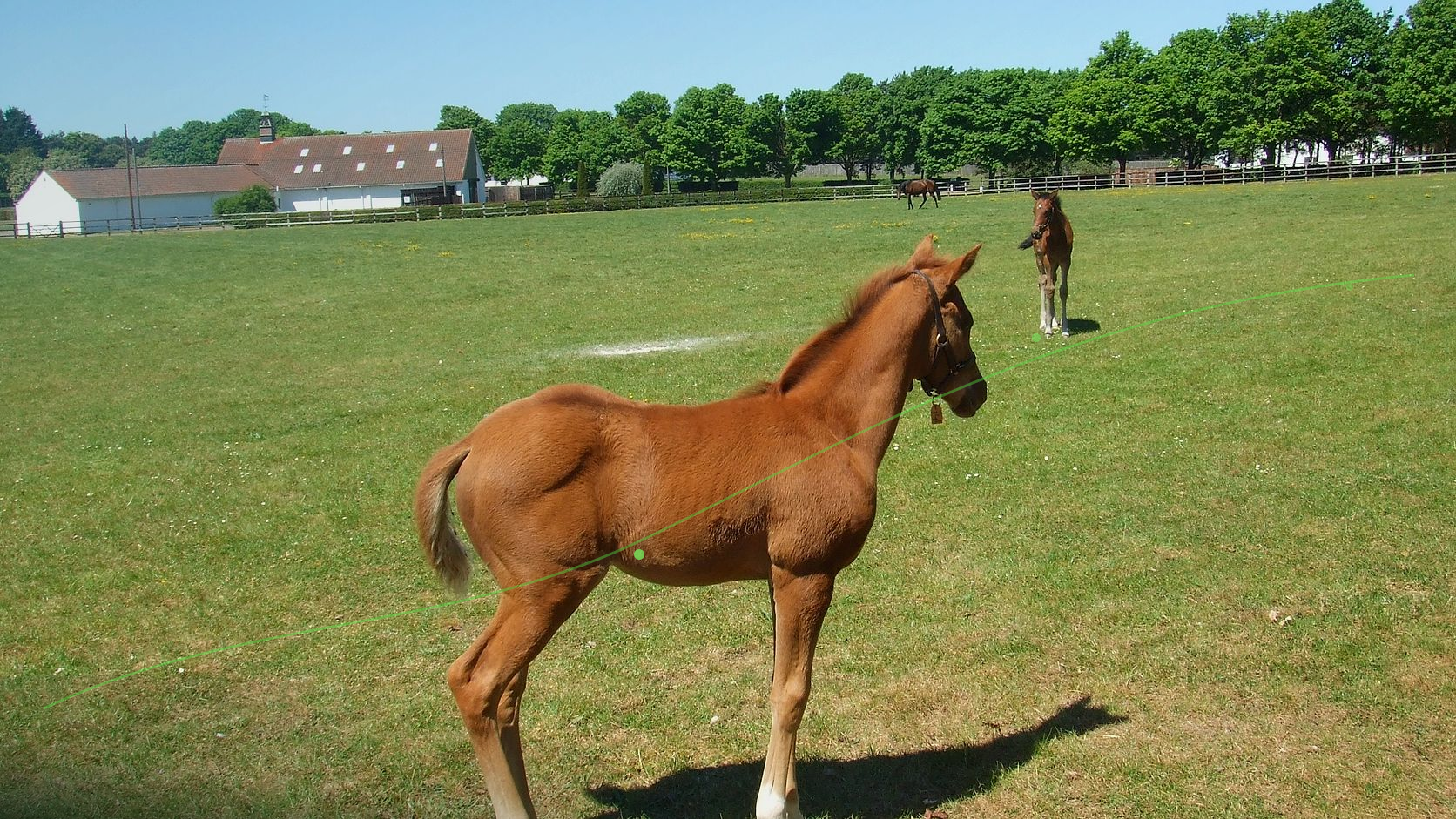
From mating plan to racehorse
Bloodstock begins before the foal exists. A breeder chooses a stallion for a mare, balancing pedigree, physical type, race record, likely commercial appeal, cost and practical considerations. The hoped-for result may be speed, stamina, soundness, precocity or simply a more suitable physical match. It remains a hypothesis involving two living animals.
After birth come identification, registration and traceability. Weatherbys maintains the General Stud Book in Britain and Ireland and handles records including coverings, foals, broodmares, stallions, DNA parentage and passports. Those administrative details are not glamorous, but racing cannot credibly identify horses, record ownership or protect the integrity of the breed without them.
The foal is reared, handled and monitored. Some horses are sold as foals, others as yearlings, stores or two-year-olds, while a breeder may retain one to race. Sale preparation aims to present the horse professionally, but no amount of polish changes the central uncertainty: buyers are making a judgement about an athlete whose finished ability is still unknown.
Training finally begins to replace projection with observation. The horse works, develops and perhaps races. That is when pedigree analysis starts to surrender ground to the animal's own record. The family can still help explain why a lightly raced horse might improve for a different trip or surface, but reliable form should progressively become the stronger witness.
Who actually works in bloodstock?
The image of a bloodstock agent making one expensive bid at Tattersalls is only a sliver of the picture. The industry depends on people doing skilled, physical and administrative work every day.
Breeders make long-range decisions and carry much of the biological and financial risk. Stud staff care for mares, stallions and young horses. Veterinary surgeons and farriers support health and soundness. Consignors prepare and present horses for sale. Auction houses catalogue lots, stage inspections and conduct the sale. Bloodstock agents advise clients, inspect horses and may help with buying, selling, matings and stallion nominations.
There are also transporters, insurers, pedigree researchers, laboratory teams, registration staff and the stable professionals who take over when the horse enters training. A successful racehorse may look like the achievement of one owner or trainer from the grandstand. Behind it sits a chain of work stretching back years.
The Thoroughbred Breeders' Association's industry pathway reflects that range. Its training covers foaling, weaning, sales preparation and the different roles across breeding. That is a useful corrective to the notion that bloodstock is just a grand word for wealthy people buying horses.
What happens at a bloodstock sale?
A sale brings potential buyers and sellers together, usually after a catalogue has been published. The catalogue identifies each lot and presents pedigree information. Buyers and their advisers inspect the horse, review the available documentation and decide whether to bid. The auctioneer takes bids until the horse is sold, reaches its reserve arrangements or leaves the ring unsold under the sale's terms.
Tattersalls has sold bloodstock in Newmarket since the eighteenth century, while Britain and Ireland now have a varied sales calendar covering foals, yearlings, horses in training, broodmares, stores and breeze-up horses. Each type asks a slightly different question. A yearling sale is heavily about potential. A horse-in-training sale includes more observed evidence. A broodmare sale may place particular emphasis on reproductive record, cover status and family.
The price is useful information, but it is not a private forecast sent from the future. It records what at least two market participants were prepared to do on that day, within their own budgets and objectives. Fashionable pedigrees, scarcity, physical impression and commercial demand can all lift a price. Plenty of inexpensive horses run quickly; plenty of costly horses do not.
Why bloodstock values can move so sharply
A horse does not have one fixed value throughout its life. A close relative may win an important race. A stallion's first runners may perform well or poorly. A mare may produce a high-class horse. A young prospect may suffer a setback. The market absorbs each new fact, along with changing fashion and demand.
That volatility explains why bloodstock attracts pinhookers, who buy with the intention of preparing and reselling a horse at a later stage. It also explains why valuation requires more than reading a pedigree page. Physical assessment, health, timing, sale conditions, likely buyers and the cost of getting the horse to the next stage all matter.
This is a market built around possibility, but possibility carries bills. Keep, veterinary care, transport, sale preparation, entry fees, insurance and training do not disappear because a horse was bought cheaply. When headlines celebrate a spectacular resale, they rarely give equal billing to the wider group whose costs were not rewarded.
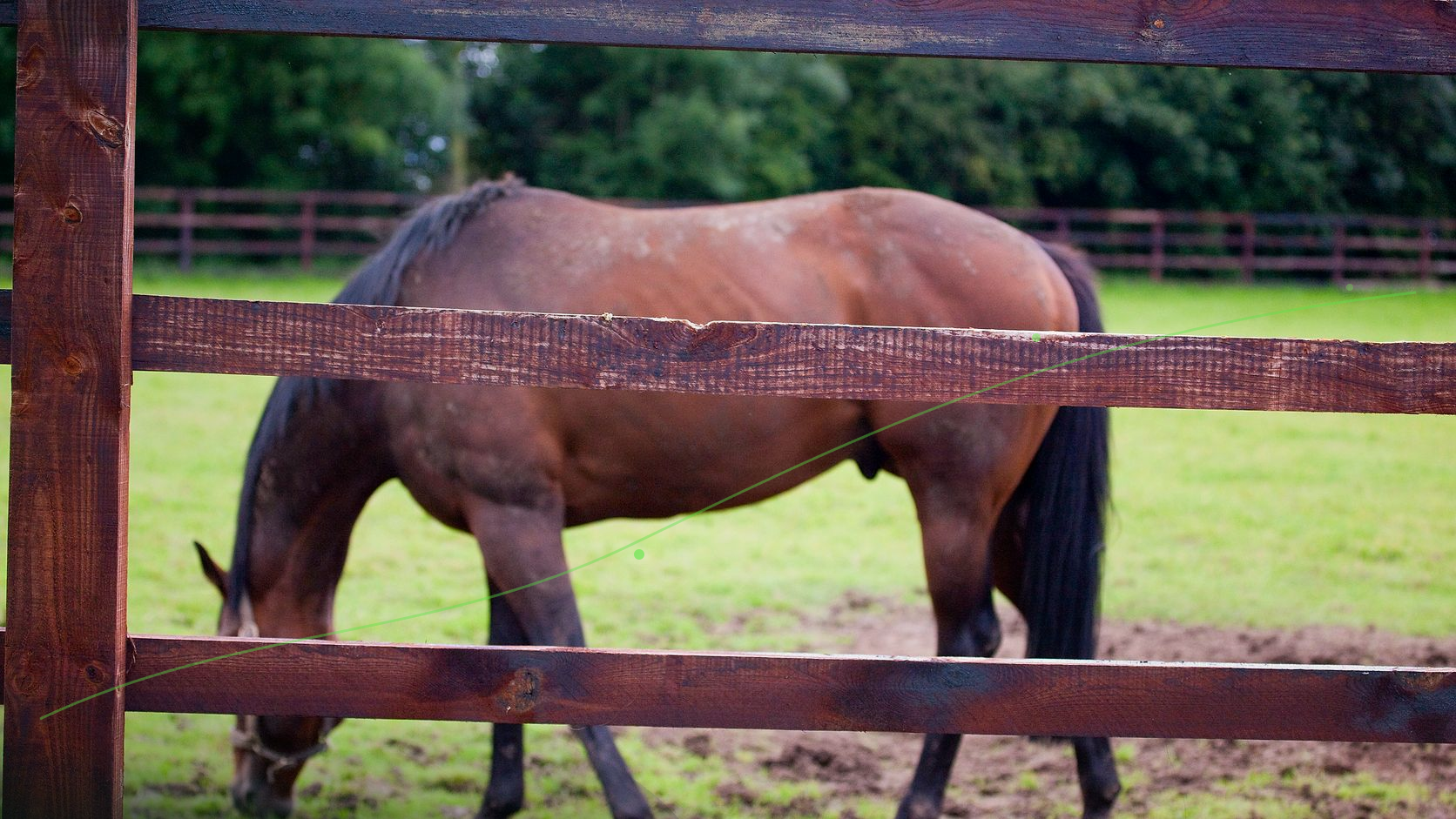
Britain and Ireland's bloodstock system
British and Irish racing share a closely connected Thoroughbred breeding and sales economy. Horses cross the Irish Sea to be bred, sold, trained and raced. Newmarket and County Kildare are internationally recognised centres, but the system reaches far beyond the largest studs and auction houses.
Weatherbys provides the central stud-book and registration infrastructure for Thoroughbreds in Britain and Ireland. The Thoroughbred Breeders' Association represents British breeding and publishes guidance on health, welfare, employment and responsible breeding. Auction houses including Tattersalls connect vendors and buyers through specialised sales.
Traceability matters throughout. Covering and foaling returns, identification, DNA parentage verification, passports and ownership records help establish that the horse presented at each point is the horse described. Welfare is not a footnote to the commercial system. Breeders and owners have responsibilities while the horse is racing and when it moves into breeding, retraining or another home.
What bloodstock information can tell a punter
Bloodstock information is at its most valuable when the racecourse has not yet supplied a full answer. An unraced two-year-old leaves a large evidence gap. Its pedigree, breeder, sale history and the performance of close relatives can help build a sensible list of possibilities.
The useful questions are specific:
- Is this family generally associated with speed, stamina or a particular surface?
- Did close siblings improve with age, or were they effective early?
- Is the horse stepping up to a trip that the dam's other runners handled?
- Does a sales price add context, or is it being treated as an argument on its own?
- What has this horse now shown in public that confirms or challenges the family clues?
As runs accumulate, the weighting should change. A horse's own pace, finishing effort, preferred conditions and consistency are usually better evidence than a theory formed from its family. This is the same discipline that should sit behind every lesson in the Betting Academy: identify what is known, separate it from inference and price the uncertainty rather than pretending it has vanished.
Bloodstock can point you towards a question. It cannot settle the bet for you.
Bloodstock is not the same as pedigree
Pedigree is the recorded family tree. Bloodstock is broader. It includes the horse, the breeding and sales process, the people, the records and the commercial decisions around it.
That distinction matters because a pedigree page shows relationships, not the entire history of the animal. It does not show every detail of rearing, physical development, veterinary history, temperament, training or present condition. Nor does it convert famous names into an automatic advantage.
If you need help with the family tree itself, our guide to reading a horse-racing pedigree explains sire, dam, damsire, siblings, black type and inbreeding. If a racing term elsewhere has stopped you, the BetOwl glossary gives the shorter version.
A practical bloodstock checklist for punters
Before using bloodstock information in a race, run through this order:
1. Start with the horse's own evidence. How much reliable race form exists? 2. Identify the genuine gap. Is trip, surface, maturity or an absence of public form the unanswered question? 3. Use close family evidence first. The dam and her previous runners will often be more directly relevant than a distant famous relation. 4. Treat sale price as context. It may reflect strong inspection and demand, but it is not a rating. 5. Compare like with like. A relative's sprint form on fast ground may say little about a staying test in deep going. 6. Update your view. Once the horse has repeatedly shown its own preferences, let those observations lead. 7. Keep the price in the decision. Interesting breeding is not the same as value at the available odds.
The checklist is deliberately unromantic. That is useful in a part of racing where romance, fashion and hope are never in short supply.
Frequently asked questions
Is every racehorse bloodstock?
A Thoroughbred bred for racing can be described as bloodstock, whether it is a foal, yearling, horse in training, broodmare or stallion. In everyday conversation, people may use the word more often when discussing breeding, ownership and sales than when discussing a familiar runner's latest race.
What are bloodstock sales?
They are specialist sales at which horses are offered to buyers. Different sales may focus on foals, yearlings, stores, breeze-up horses, horses in training, broodmares or breeding stock. The catalogue, inspections, sale conditions and auction all form part of the transaction.
What does a bloodstock agent do?
A bloodstock agent advises clients on breeding and trading horses. Work can include inspecting prospective purchases, bidding, selling, valuations, mating advice and stallion nominations. The precise service and fee should be agreed between agent and client.
Does an expensive yearling have a better chance of winning?
The price may show that buyers liked the horse's pedigree, physical appearance or commercial profile. It does not guarantee soundness, temperament, progress in training or racing ability. Treat it as one market signal among several.
Can pedigree predict the best trip?
Pedigree can suggest a likely range, especially before the horse has run. It is not a fixed instruction. The horse's physique, way of racing and observed performance should take increasing priority as evidence accumulates.
The short version
Bloodstock is both the population of Thoroughbred horses moving through breeding and racing and the professional world that manages that journey. It stretches from the mating plan to the sales ring, the training yard, the racecourse and life after racing.
For punters, it is best used as structured background. It can improve the questions you ask about an inexperienced horse. It cannot remove uncertainty, turn a sales price into ability or make a famous pedigree run on the horse's behalf.
Betting should remain affordable entertainment. Bloodstock analysis does not remove the risk of losing. Set limits before you bet, never chase losses and use the support information in our responsible gambling guide if betting has stopped feeling controlled.