
Settlement checker
Check the likely treatment
Choose the official race status and the bet type. This explains the usual position, not a binding decision on an operator dispute.
Wait for the official result and stewards' decision before judging the settlement.
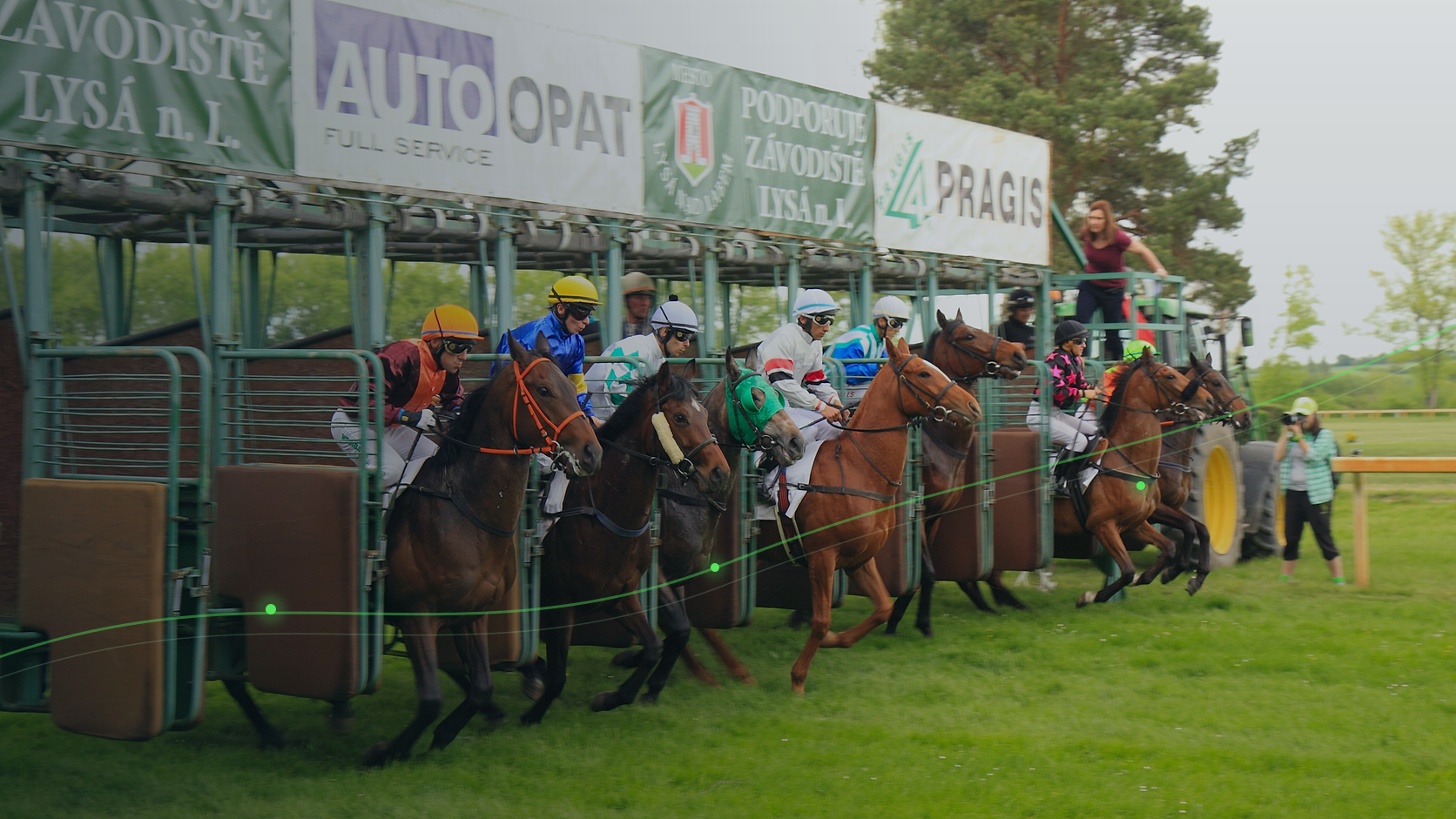
The stalls open, the field leaves without your horse and the betting app marks the bet as a loser. It feels absurd. The horse has barely moved, so how can it have taken part?
The answer depends on one official decision: was the horse declared a non-runner, or did it remain a runner after coming under starter's orders?
If the horse is officially declared a non-runner, the stake is normally returned. If it comes under starter's orders and then refuses through its own behaviour, the horse is normally treated as a runner and the bet loses. The distance it travelled is not the deciding factor.
That distinction explains most cases, but the modern British rules include an important protection where a horse is denied a fair start. Here is how to separate the situations and check the settlement without relying on a bookmaker app's one-word verdict.
The quick settlement table
| What happened? | Likely official status | Usual bet treatment |
|---|---|---|
| Horse withdrawn before coming under starter's orders | Non-runner | Stake returned, with possible Rule 4 deductions on bets on the remaining runners |
| Stalls open normally but the horse refuses to leave through its own behaviour | Runner | Bet normally loses |
| Horse is denied a fair start by a stalls, starting or handling problem and stewards declare it a non-runner | Non-runner | Stake normally returned |
| Jumps horse is left at the start but remains an official runner | Runner | Bet normally loses |
| Horse starts, then refuses a fence or runs out | Runner | Bet normally loses |
| Result is under review and no official status has been published | Awaiting decision | Settlement may remain pending until stewards confirm the result |
This is a guide to the normal position. The official race result and the operator's rules govern the actual settlement, while a promotion or insurance offer can produce a different outcome.
Why 'did not leave the stalls' does not always mean non-runner
Racing needs a clear point at which participation begins. On the Flat that point is usually when the starter operates the stalls. In jump racing it is the official start under the starter's control. Once the horse has come under starter's orders, it does not need to cover a furlong, cross the line or even move forward to count as a runner.
That can feel harsh because punters naturally judge participation by what they saw. The rules judge it by official status. A horse that plants itself as the gates open has had the opportunity to start, even if it declines the invitation with all the enthusiasm of somebody hearing the words "one final meeting" at 5.29pm.
The crucial exception is a horse denied a fair start. Britain introduced a specific Flat-racing power in May 2024, allowing stewards to declare a horse a non-runner when the starting process, stalls or handlers materially prevent it from starting on equal terms. A corresponding provision for jump and other non-stalls starts took effect in October 2025.
That is not a blanket refund for every slow, awkward or stubborn beginning. It protects a horse that was prevented from starting fairly, not one whose own conduct caused the problem.
The difference between refusing and being denied a fair start
The pictures can look similar. One horse is still in or beside the starting apparatus while the rest disappear. The legal difference lies in the cause.
A horse refuses through its own behaviour
Examples include planting itself, rearing as the start is effected or simply declining to leave after the gates open properly. If the stewards keep it as a runner, an ordinary win or each-way bet is normally a loser.
A horse is prevented from starting fairly
A stalls gate might fail, a horse might become trapped, or a handler or mechanical problem might materially interfere with its chance to leave with the field. The stewards can review the incident and declare the horse a non-runner.
The 2026 Derby supplied a useful modern example. Benvenuto Cellini was trapped as the stalls opened and the stewards declared him a non-runner under the fair-start provision. That was not the same as a horse choosing to stay put. The mechanism prevented a fair start, so the official status changed and bets were treated accordingly.
The stewards' announcement matters more than a replay watched in isolation. Even an obvious-looking incident can involve details that are not clear from the television angle.
What happens to different bet types?
The runner or non-runner decision flows through the rest of the bet.
Win single
If the horse remains an official runner and refuses, the bet normally loses. If it is declared a non-runner, the stake is normally returned.
Each-way bet
An each-way bet contains a win part and a place part. When a horse remains a runner but takes no meaningful part, both parts normally lose. When it is declared a non-runner, both stakes are normally returned.
The withdrawal can also alter the number of runners and therefore the place terms applied to other bets. Use the each-way bet calculator to rebuild the return using the confirmed field size and terms.
Accumulator or multiple
An official non-runner is commonly removed from a standard multiple and the remaining selections continue, effectively with that leg settled at odds of 1.00. A horse that remains a runner and refuses is a losing leg, so the ordinary multiple loses.
Do not assume every complex product follows the same rule. Same-race multiples, boosted products and promotional bets can carry additional terms.
Forecasts and tricasts
These markets are especially operator-specific. A non-runner can turn a combination into a smaller forecast, create a void selection or void the bet, depending on the product and the rules in force. A horse that remains a runner simply fails to occupy the required finishing position.
The forecast and tricast calculator can calculate declared dividends, but it cannot decide whether a combination survived a withdrawal. Check the named market rule first.
Faller insurance and money-back offers
A refusal is not automatically a fall. Betfair's published horse-racing terms, for example, expressly exclude horses that refuse or run out from its faller-insurance condition. Other operators may run different concessions.
The distinction is important: a promotion can refund a losing bet without changing the official settlement. That is goodwill or an offer, not evidence that the horse was a non-runner.
What if the horse refuses at a fence?
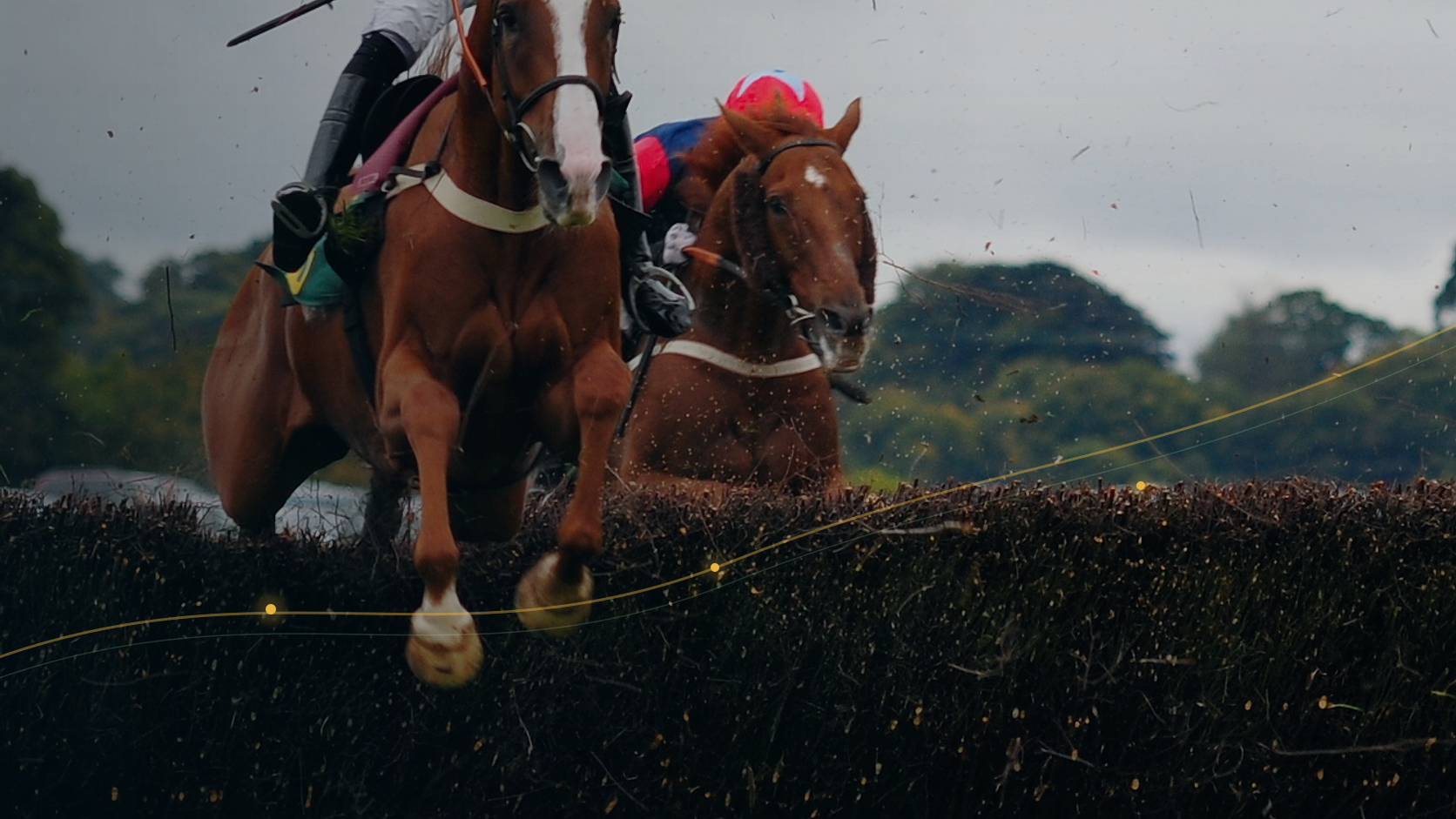
Once a jumps horse has started, refusing an obstacle is straightforward for settlement purposes. It is still a runner. A win bet loses because the horse did not win, and the place part of an each-way bet loses because it did not finish in a qualifying place.
A jockey might remount or represent at an obstacle where the rules permit, but the horse must still complete the correct course and satisfy the result requirements. If it is pulled up, runs out or is disqualified, an ordinary win bet does not become void merely because the horse never finished.
Could a Rule 4 deduction still affect the race?
Yes. If a horse is declared a non-runner after bets have been struck, prices taken on the remaining field may be subject to a Rule 4 deduction. The withdrawn horse had formed part of the market, so removing it can make the remaining chances shorter.
The non-runner's own backers normally receive their stakes. Backers of other horses may receive reduced winnings. Those are separate effects of the same official withdrawal.
To check the arithmetic, keep the accepted price, the withdrawn horse's price at the specified time and the operator's stated deduction, then use the Rule 4 calculator. The calculator reproduces the numbers; it does not decide whether the deduction was contractually correct.
A practical four-step check
When the settlement looks wrong, resist the urge to begin with a furious support-chat message. Four facts will usually reveal what happened.
1. Find the official result. Look for the horse's status, not only a race replay or social post. 2. Check the stewards' report. Was the horse declared a non-runner because it was denied a fair start, or did it remain a runner after refusing? 3. Open the exact market rule. Check the operator's horse-racing, non-runner and promotional terms as they stood when the bet was accepted. 4. Rebuild the settlement. Separate the returned stake, Rule 4 deduction, place-term change and any promotional refund.
Keep screenshots of the receipt, market name, accepted odds and settlement. If the operator cannot explain the result, ask it to identify the specific rule used. The wider Bet Settlement Centre explains how to challenge a settlement methodically, while the horse-racing settlement guide covers non-runners, dead heats, each-way terms and abandoned races.
Common questions
Is a horse that refuses to race always a losing bet?
No. It is normally a loser if it came under starter's orders and remains an official runner. It is normally void if the stewards declare it a non-runner, including qualifying cases where it was denied a fair start.
What if the horse never left the stall?
Its physical position does not settle the bet. If the gates opened correctly and the horse refused through its own behaviour, it can remain a runner. If a stalls or handling problem denied it a fair start and the stewards declared it a non-runner, the stake is normally returned.
What if the bookmaker settles before the stewards decide?
Operators can resettle when the official status changes. Keep the receipt and check again after the weighed-in or official announcement. Contact support if the account has not been corrected.
Does best odds guaranteed change anything?
No. Best odds guaranteed concerns the price paid on a winning qualifying bet. It does not turn a runner into a non-runner or refund a refusal.
Is a slow start the same as a refusal?
No. A slowly away horse is still a runner. It may recover and take part normally. Settlement changes only if the official decision changes its status.
The one line to remember
Do not ask only whether the horse raced. Ask whether it remained an official runner after coming under starter's orders.
That answer separates a losing refusal from a returned non-runner stake. Everything else, from accumulator legs to Rule 4 deductions, follows from it.
Bet only with money you can afford to lose. A correct settlement can still be a losing result, and no system or concession removes the risk.